Dining
Watne to receive Harvest Bowl agribusiness award
By David Lee
Advertisement · Why this ad?
Linda has over 15 years of experience in journalism, having spent the last decade covering local news at the Minot Daily News. She holds a degree in Journalism from the University of North Dakota and has a knack for unearthing the hidden stories that connect neighbors in her community.
More from Linda →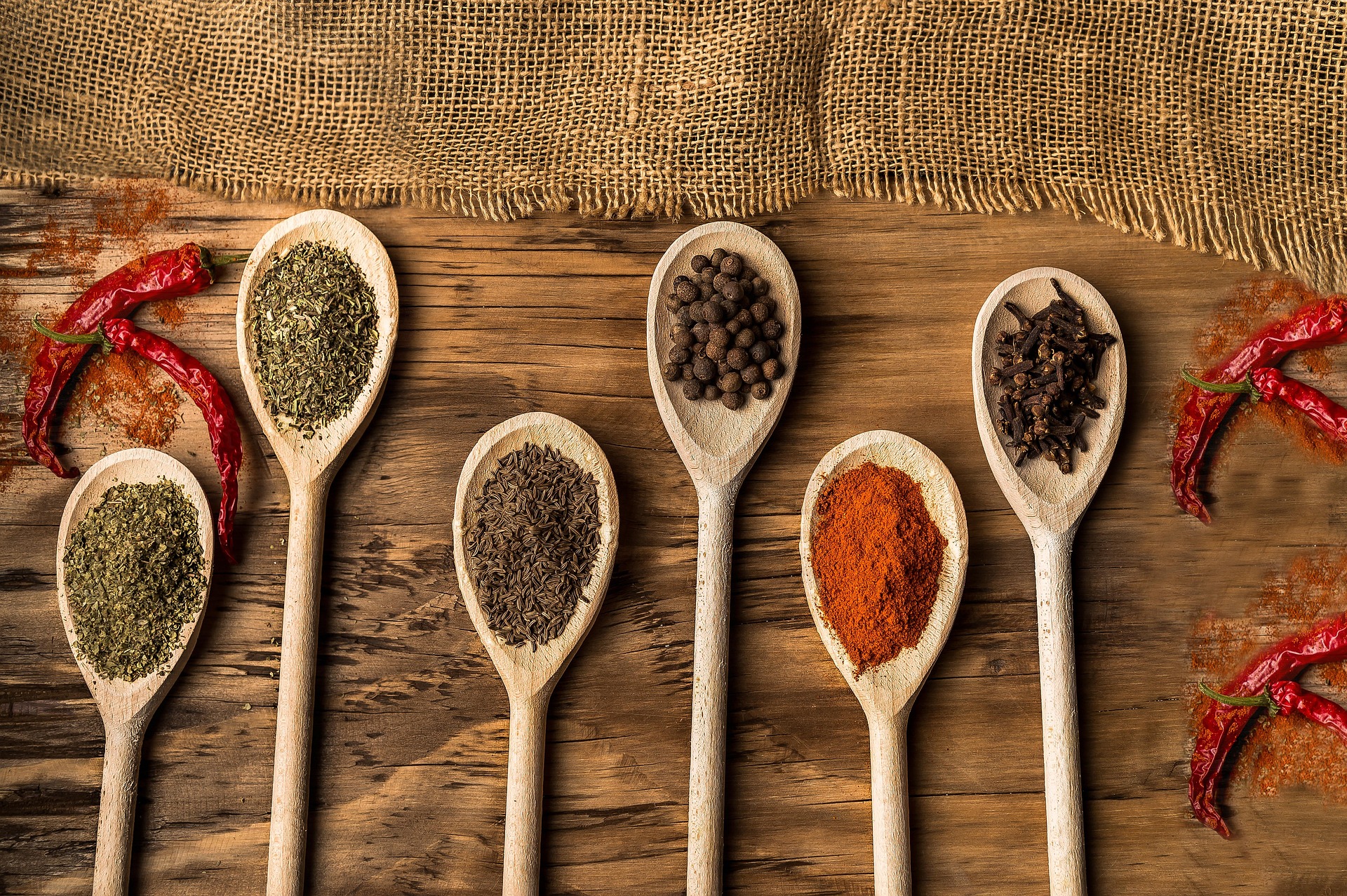
Home and Garden Prairie Fare: Peppers and spices – a hot topic By Julie Garden-Robinson November 13, 2026 4 min read Submitted Photo Without adding spices, including pepper, your food can be fairly bland. Trending "My mouth is on fire!" I exclaimed. "You ordered your tikka masala medium-hot," my husband commented matter-of-factly. I get no sympathy. I also had a samosa (sam-oh-suh), a pastry stuffed with potatoes and peas. It was mildly flavored but accompanied by a super-spicy green sauce. With all this spice, I felt like a Hollywood starlet who just had lip-plumping injections - or multiple bee stings. My husband assured me I looked ok. I gave him the leftovers for lunch the next day. He agreed that it was really spicy, too. I enjoy Indian food, but my Scandinavian palate can't handle extremely hot chili peppers. The red flecks of the red chili powder should have been my first clue. Tikka masala (tee-kah-muh-sah-luh) often contains cumin, turmeric, coriander and garam masala, which includes a variety of spices such as cardamom, cloves, nutmeg and others. When I provide directions for handling hot peppers, I caution people to wear plastic gloves, because the natural capsaicin (kap-say-ih-sin) in peppers can burn your skin. The heat of peppers is noted in Scoville heat units. It ranges from zero units for a bell pepper to more than 1.4 million units for the Carolina Reaper. The restaurant probably used cayenne pepper, which has a heat rating of 30,000 to 50,000 heat units. Don't be afraid to enjoy some exotic cuisine, but you may want to start with "mild," as I usually do. Have a glass of milk nearby to bind to the spices and help wash them away. Spices have been sought after for hundreds of years for their ability to flavor food. In early times, ships on the spice trade route carried spices from Asia and Africa to Europe and eventually to the Americas. The spice trade had major economic impacts throughout the world - and introduced new flavors from the East to the Western world. This led to a cultural diffusion of a variety of tasty foods. Without the addition of spices, including pepper, food can be fairly bland. In earlier times, people with wealth or status were most likely to have access to spices because spices were expensive. My distant ancestors in Scandinavia were somehow able to access cinnamon, nutmeg and cardamom, which were used in baking, such as cinnamon buns, and in warm, sweet beverages. I won't be featuring a recipe to burn the skin from your mouth, but you can find a variety of tikka masala recipes online. You may want to go easy on the chili spices at first. Instead, try this easy-to-make traditional Indian flatbread. In their younger years, my kids enjoyed helping me make this garlic naan recipe and cook it on a griddle. Check out "North Dakota Food Culture: A Taste of World Cuisine" from North Dakota State University for a variety of recipes from our friends throughout the world, including two Indian recipes: masoor dal and curry. Garlic Naan 1 (0.25-ounce) package active dry yeast 1 cup warm water ¼ cup white sugar 3 tablespoons milk 1 egg, beaten 2 teaspoons salt 4 ½ c. bread flour (add gradually) 2 teaspoons minced garlic (optional) ¼ cup butter, melted In a large bowl, dissolve yeast in warm water and let stand about 10 minutes or until frothy. Stir in sugar, milk, egg, salt and enough flour to make a soft dough. Add more flour if needed. Knead for 6 to 8 minutes on a lightly floured surface or until smooth. Place dough in a well-oiled bowl, cover with a damp cloth and set aside to rise for 1 hour, or until the dough has doubled in volume. Punch down the dough, and knead in minced garlic if desired. Pinch off small handfuls of dough to make 20 balls. Form into balls and place on a tray. Cover with a towel and allow to rise until doubled in size, about 30 minutes. During the second rising, preheat electric grill to medium-high to high heat. Roll or stretch 1 ball of dough into a thin circle. Lightly oil the grill. Place dough on grill and cook for 2 to 3 minutes, or until puffy and lightly browned. Brush the uncooked side with butter and turn over. Brush the cooked side with butter and cook until browned, another 2 to 4 minutes. Remove from the grill, and continue the process until all the naan has been prepared. Makes about 20 naan breads. Each serving has 145 calories, 3 grams (g) fat, 4 g protein, 25 g carbohydrate and 260 milligrams sodium. (Julie Garden-Robinson is a NDSU Extension food and nutrition specialist.)